

HRV and ERV Systems in GTA 🌬️
Did you know the air inside your home can be 2–5 times more polluted than the air outside?
Today’s homes require proper ventilation—especially since we spend most of our time indoors. In fact, new homes are required under the Ontario Building Code to include mechanical ventilation systems.
At QuickFast, we specialize in the installation, repair, and maintenance of heat recovery ventilation (HRV) and energy recovery ventilation (ERV) systems. Our licensed technicians ensure your system is operating efficiently and correctly before completing any job.
We always provide clear, upfront pricing before work begins—no hidden fees or surprises. And with our 100% satisfaction guarantee, you can feel confident knowing your indoor air quality is in good hands.

HRV Systems 🌬️
A Heat Recovery Ventilator (HRV) system is designed to remove stale indoor air while bringing in fresh outdoor air—without losing the heat in winter or the cool air in summer.
With an HRV system, you enjoy healthier indoor air year-round while maintaining comfort and avoiding unnecessary energy loss from your heating or cooling system.
How Does an HRV System Work? ⚙️
An HRV uses a heat exchange core that transfers heat from the outgoing stale air to the incoming fresh air, helping maintain indoor temperature while continuously improving air quality.
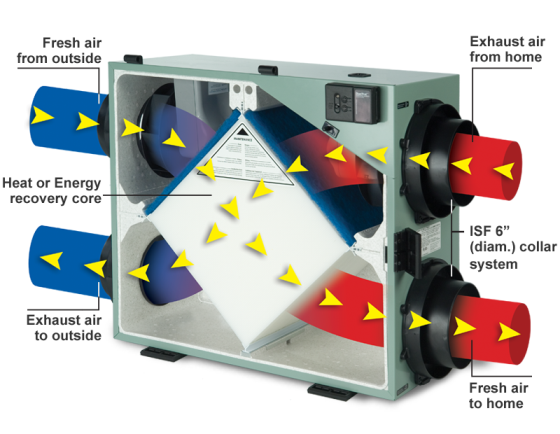
In the summer, the process is reversed to help keep your home cooler. While an HRV is primarily designed for fresh air exchange, it also helps maintain overall indoor comfort throughout the year.
What is the Difference Between HRV and ERV? 🌬️
An Energy Recovery Ventilator (ERV) works similarly to an HRV, but it also transfers humidity between incoming and outgoing air. This helps maintain more balanced indoor humidity levels in both summer and winter, reducing strain on your air conditioning system during warmer months.
So, which one should you choose—HRV or ERV? It depends on your home’s specific conditions. In generally more humid environments, an HRV is often recommended. In drier indoor conditions, an ERV may be the better option for maintaining comfort.
Our furnace and air conditioning specialists can assess your home and recommend the best ventilation solution to improve your indoor air quality and overall comfort.
Our HRVs and ERVs
We select the right size HRV or ERV system based on your home’s square footage, layout, and specific comfort needs. Additional features and performance requirements are also taken into account to ensure optimal indoor air quality and efficiency. Below are some of the HRV and ERV models we offer.
1
Lifebreath 100 ECM

This HRV model is packed with advanced features designed for efficiency and reliable performance:
-
High-efficiency hex core
-
Door port balancing with adjustable dampers
-
Excellent low-temperature operation
-
5-speed, 4-mode controller included
-
Digital wall control included
-
Lifetime warranty on HRV core
-
5-year warranty on replacement parts
We also offer a range of additional HRV models to suit different home sizes, layouts, and ventilation requirements.
2
Lifebreath 170 ERVD
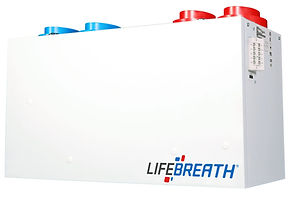
This is the ERV model we offer, designed for balanced ventilation and improved indoor comfort:
-
Enthalpy exchange core
-
Door port balancing with adjustable dampers
-
HVI-certified performance down to -25°C (drain required)
-
Top-ported design for flexible installation
-
5-year warranty on ERV core
-
5-year replacement parts warranty
Depending on your home size, layout, and indoor humidity levels, a larger capacity model may be recommended for optimal performance.